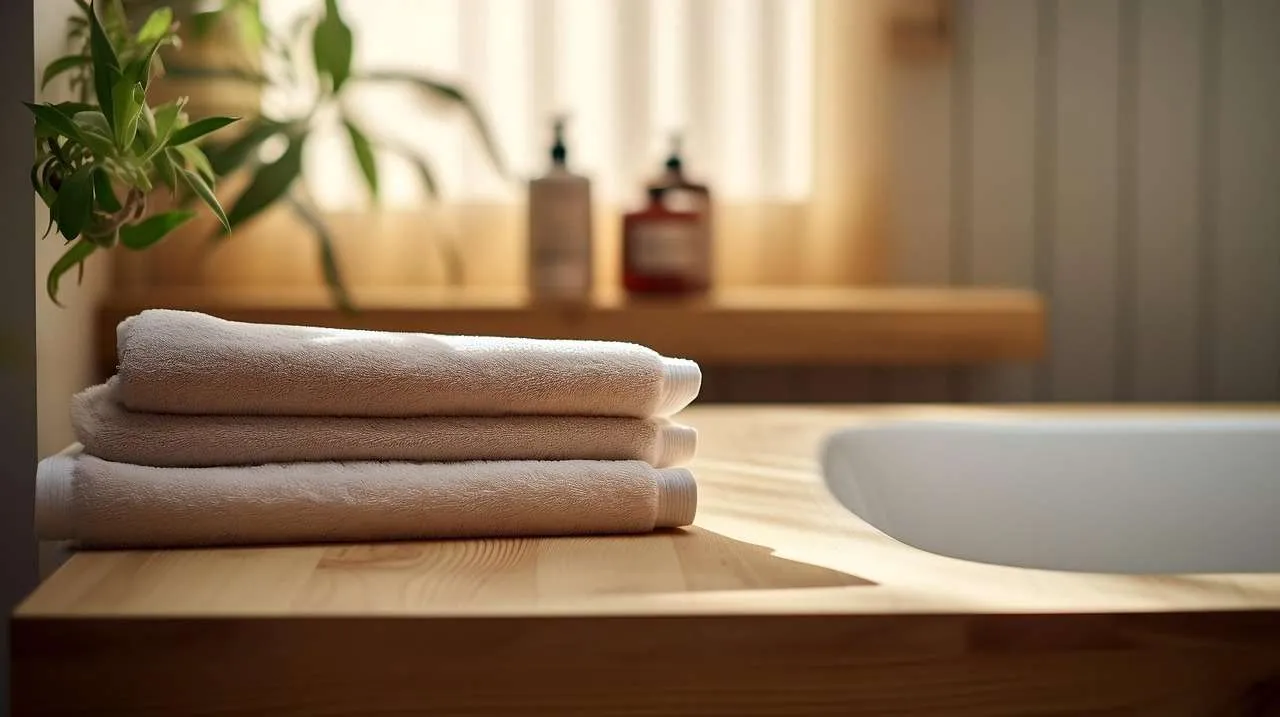
Compact bathrooms demand creative thinking. This guide on small bathroom ideas focuses on practical solutions that maximize space, improve usability, and elevate style without sacrificing durability.
Smart Design Principles for Small Bathrooms
In small spaces, proportion, clean lines, and a cohesive color palette create the perception of more room. Choose fittings that are compact, wall mounted, and easy to access. A single light color extended across walls and floor can reflect light and reduce visual clutter.
Storage-first Approaches
Prioritize built-in storage such as recessed niches, medicine cabinets, and floating vanities to keep floors clear. Use vertical space with tall narrow shelving and mirrored surfaces to bounce light around the room. Choose hardware and fixtures in a consistent finish to maintain a calm, organized look.
Space-Saving Fixtures and Fittings
Vanity units that are wall mounted or floating reveal more floor area, making the room feel larger. Consider a compact sink with a shallow depth, a corner sink, or a trough sink that sits above the counter. A frameless, pivoting shower door or a walk-in shower with glass panels maintains openness.
Shower and Bath Options
For balance between wet and dry zones, a walk-in shower with a clear glass panel and a low-threshold tray reduces bulk. If you prefer a bath, opt for a compact clawfoot or a shower-bath combo with a transparent curtain or glass door to preserve sightlines.
Lighting and Color Strategies
Layer lighting with ambient, task, and accent layers. Recessed ceiling lights paired with LED strip lights behind a mirror provide functional brightness without creating heavy shadows. Light, neutral tones with a satin or matte finish reflect more light and feel airier; add color through towels and accessories for depth.
Practical Comparisons and Ideas
Below is a quick comparison of common small bathroom ideas to help you choose the best approach for your space.
| Idea | Best For | Pros | Cons |
|---|---|---|---|
| Wall-mounted vanity | Small bathrooms with limited floor space | Floating look, easier cleaning, reduced visual clutter | May limit storage and require precise plumbing |
| Shower niche and recessed storage | Shower areas needing built-in storage | Keeps products accessible, reduces caddies | Adds niche depth that must be waterproofed |
| Frameless glass shower | Open, airy feel | Expands sightlines, modern look | More frequent cleaning, higher cost |
| Pocket door or bi-fold door | Bathrooms with tight entry | Saves space, no swing clearance | Hardware and installation considerations |
| Light color palette with reflective surfaces | Any tiny bath | Illusion of space, easier lighting | Limited warmth unless balanced with accents |
| Integrated mirror lighting | Task lighting and depth | Bright, uniform illumination | Potential weight and installation needs |
Implementation tips: measure door swing, plan plumbing carefully for a wall hung vanity, and choose moisture-resistant materials. Always select finishes that resist mold and are easy to clean. For EEAT, rely on reputable brands and consult a qualified contractor for installation, ensuring compliance with local building codes and moisture management standards.
Develop a cohesive mood board before purchasing and consider a small budget for trial-and-error in color and texture. A well planned small bathroom idea integrates storage, light, and fixtures that together create a calmer, more usable space without sacrificing style.
Summary: This guide covers space-saving layouts, storage, lighting, and durable materials to transform a small bathroom into a functional, stylish space. By choosing wall-mounted vanities, glass showers, recessed niches, thoughtful lighting, and cohesive color palettes, you create an open feel while preserving privacy and ease of maintenance. Following these small bathroom ideas leads to a space that feels larger, stays organized, and remains durable over time.